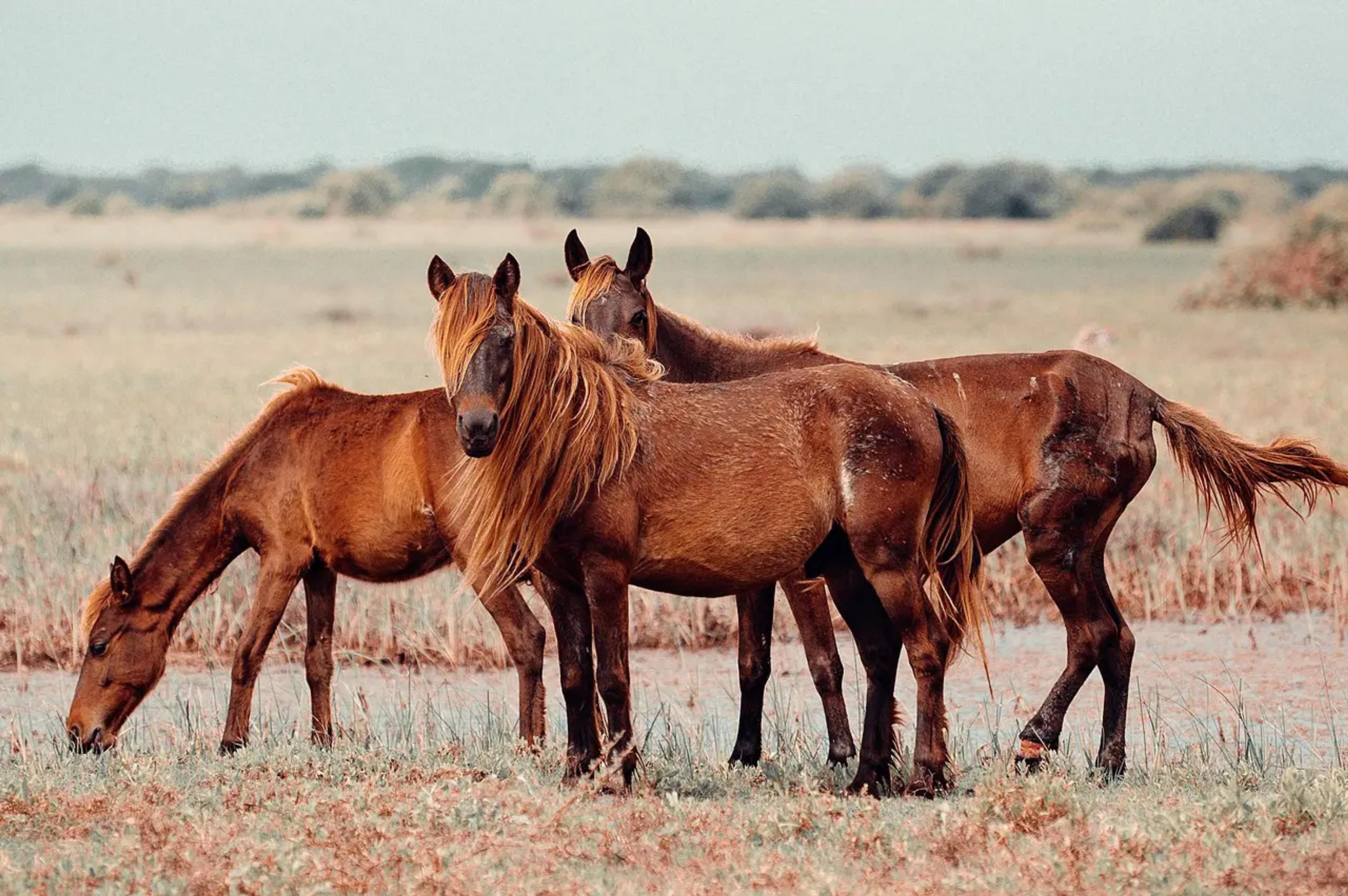
The Delft is the largest island among the islands belonging to Sri Lanka (approximately 50 km2). Delft Island is also known as Neduntheevu Island. This island is located to the west of the Jaffna peninsula and it is about 80 km away from India. Among the islands belonging to Sri Lanka, this is the only inhabited island close to India. Several naval bases are stationed here and they also plays a major role.
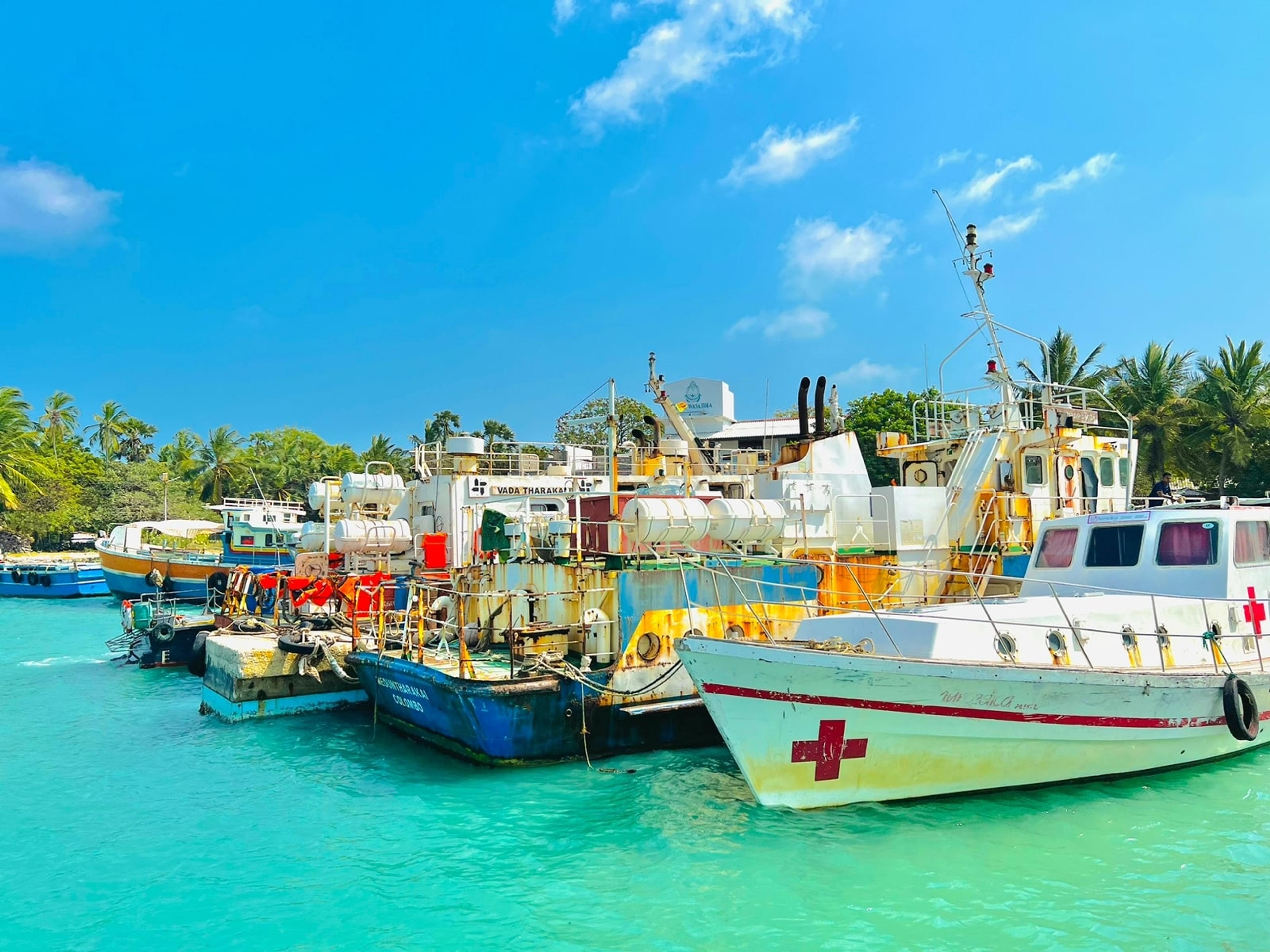
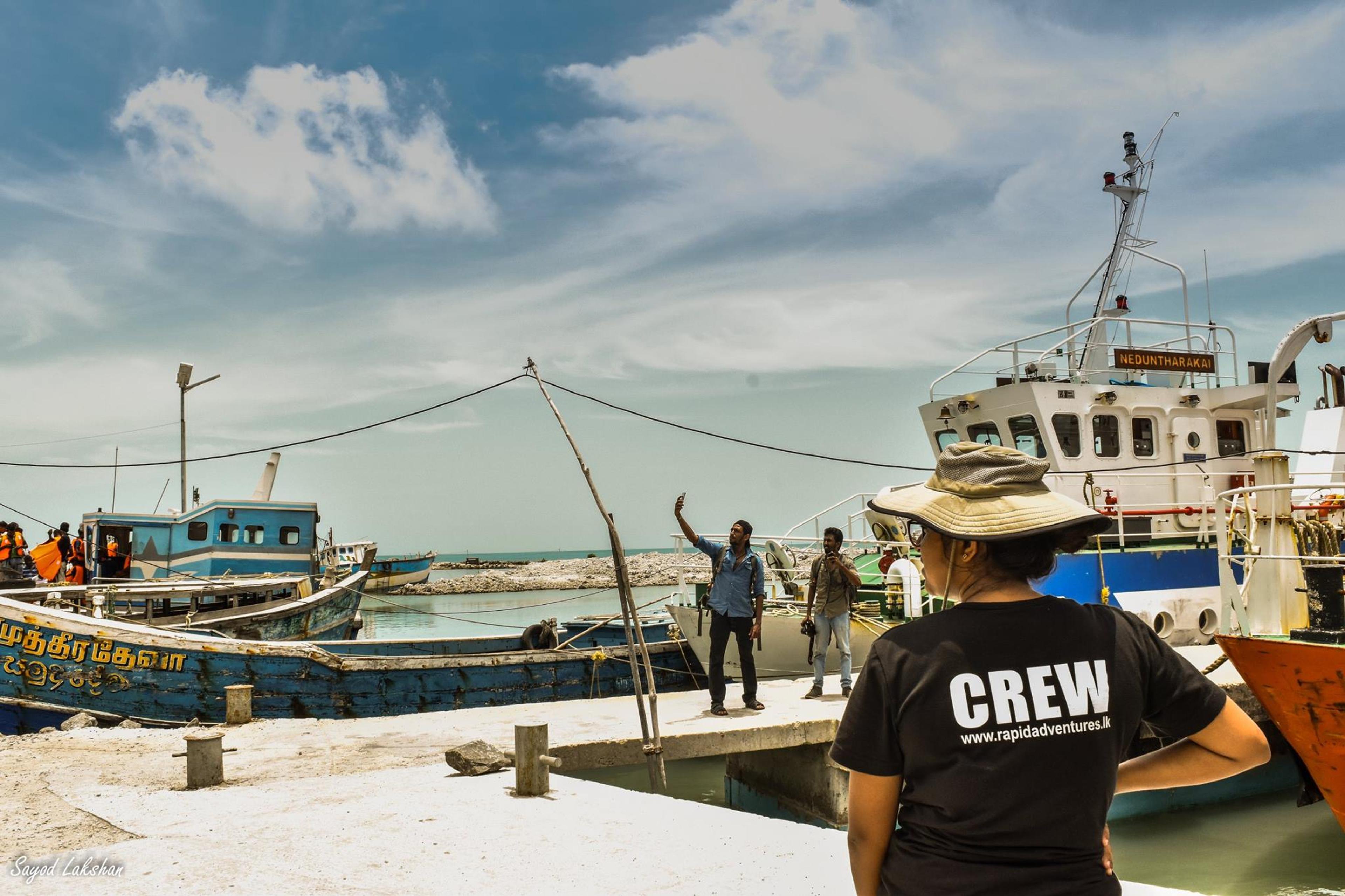
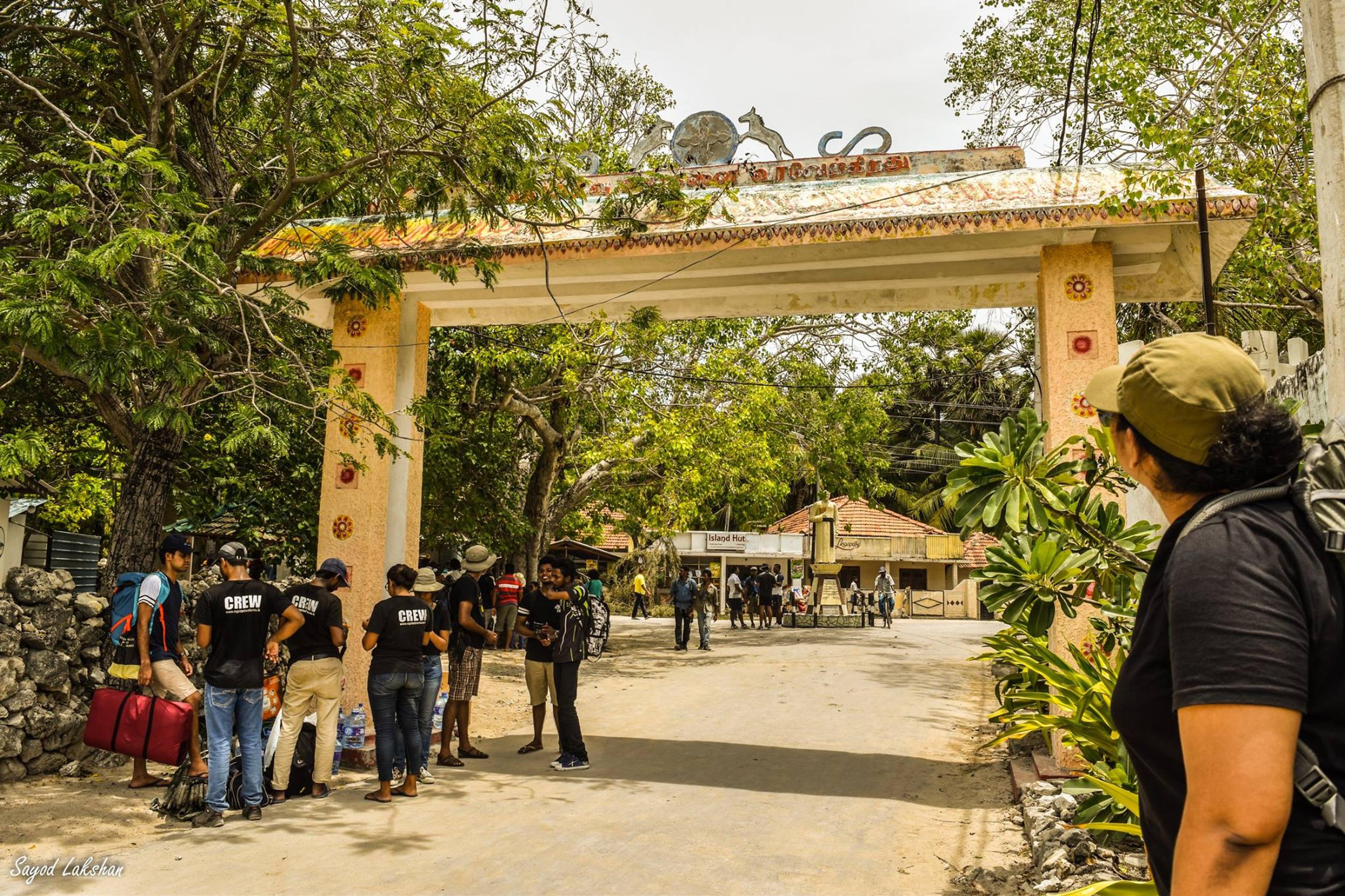
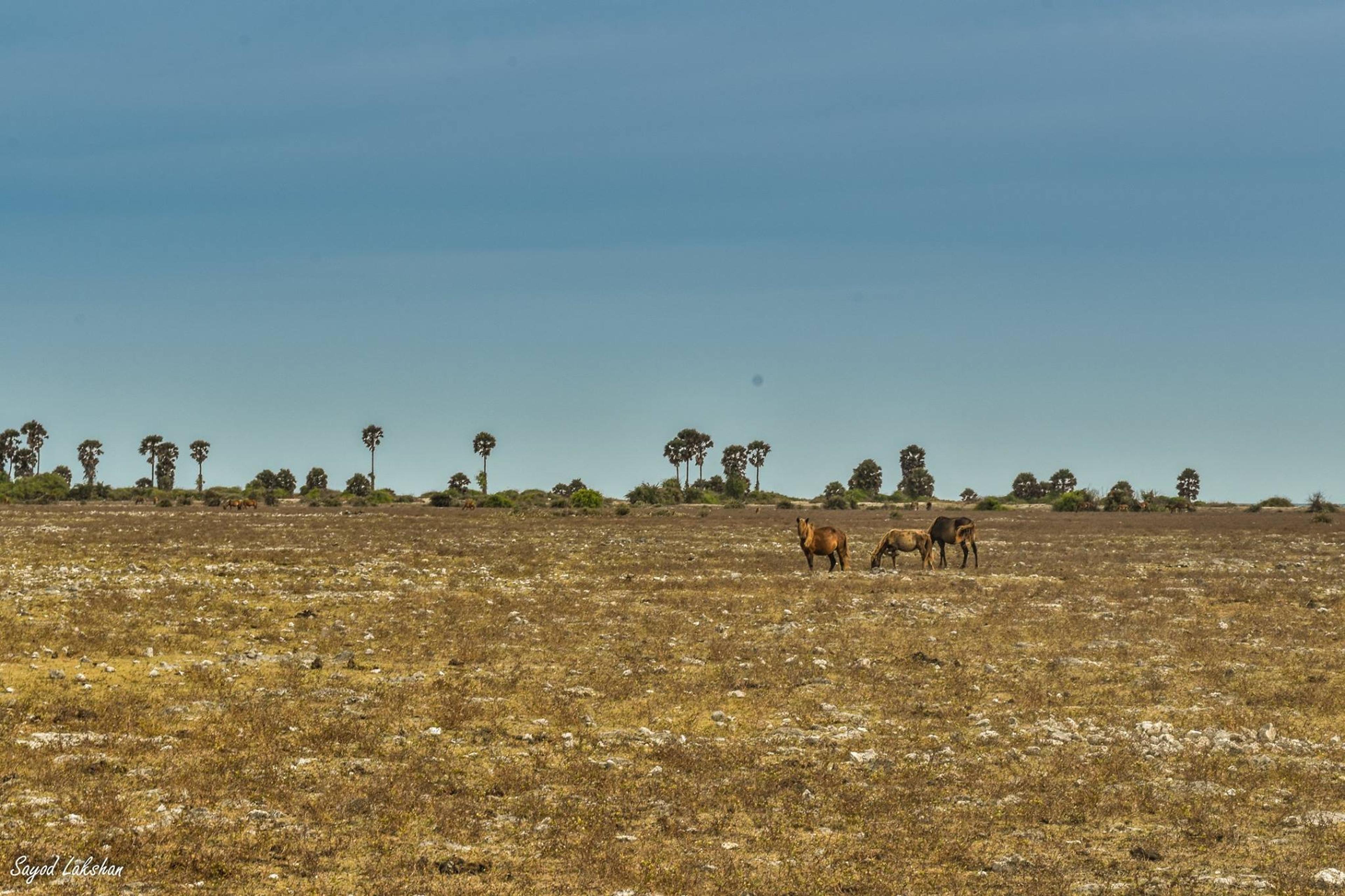
A trip to Delft Island takes about an hour’s cruise. Two navy ships, “Wadatharaki and Naduntaraki”, also have a few more boat services to assist you on your journey. There are some unique places you can visit reaching Delft. How lucky you are if you ever leave your footprints on this unique island. Most eye-catching sites were created by the Dutch. Among these, the Dutch fort, queen’s tower lighthouse, Dutch old courts, Dutch old stable, and Dutch pigeon tower. In addition, you can see the giant bio-bap tree, growing stone, old Buddhist temple foundation, and walls made of limestone. Out of all these, my heart was captivated the most by the herds of wild horses running freely everywhere. The whole island is based on coral and limestone. For this reason, limestone blocks are everywhere you look. This may be the reason why they used limestone blocks for all their constructions.
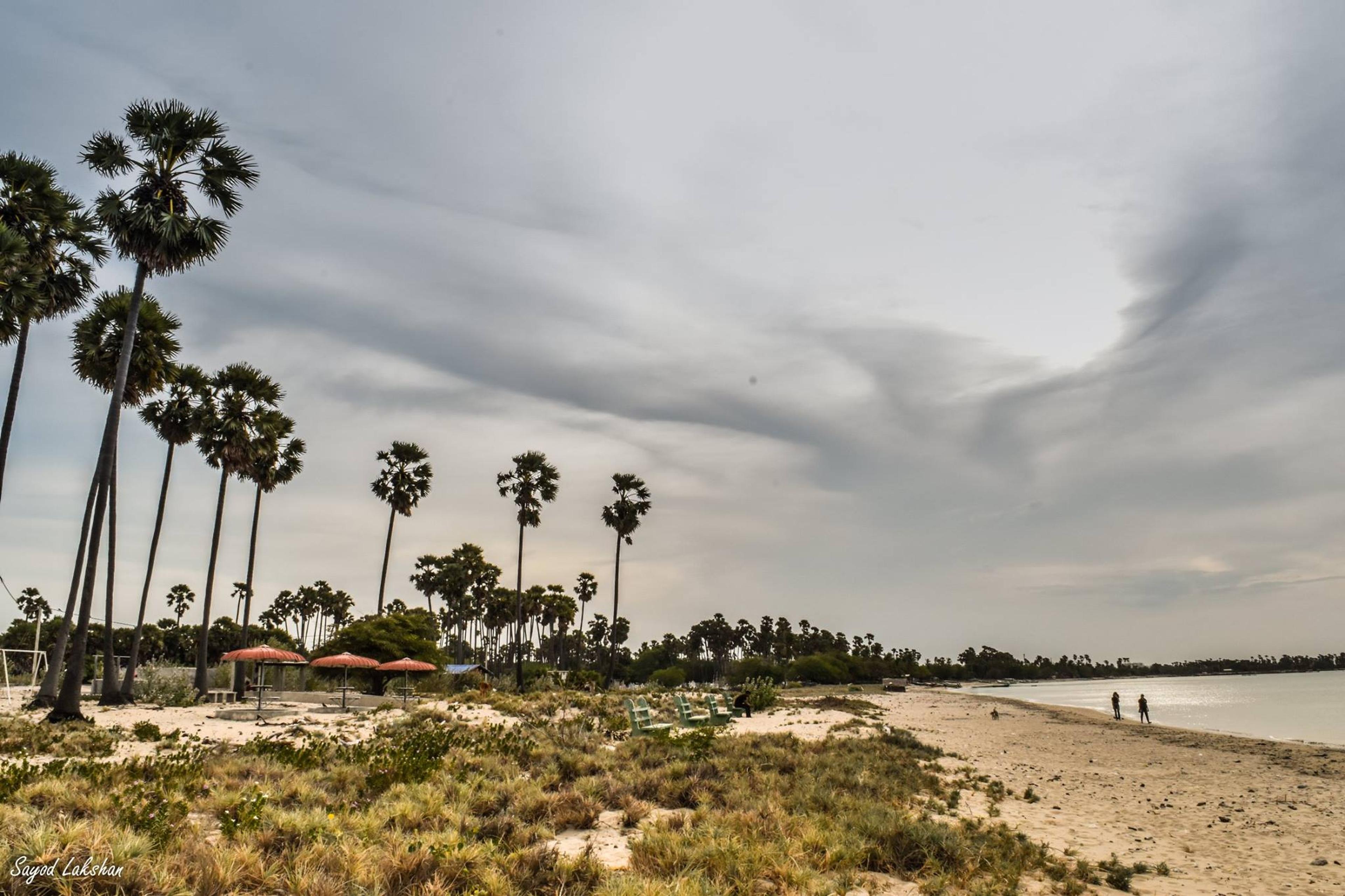
Due to Sandy soil and arid environment, a wide variety of plants can not be seen on this island, but arid coastal plants and palm trees grow mostly here. Walking in the Sandy environment is risky as sand vipers live mostly.
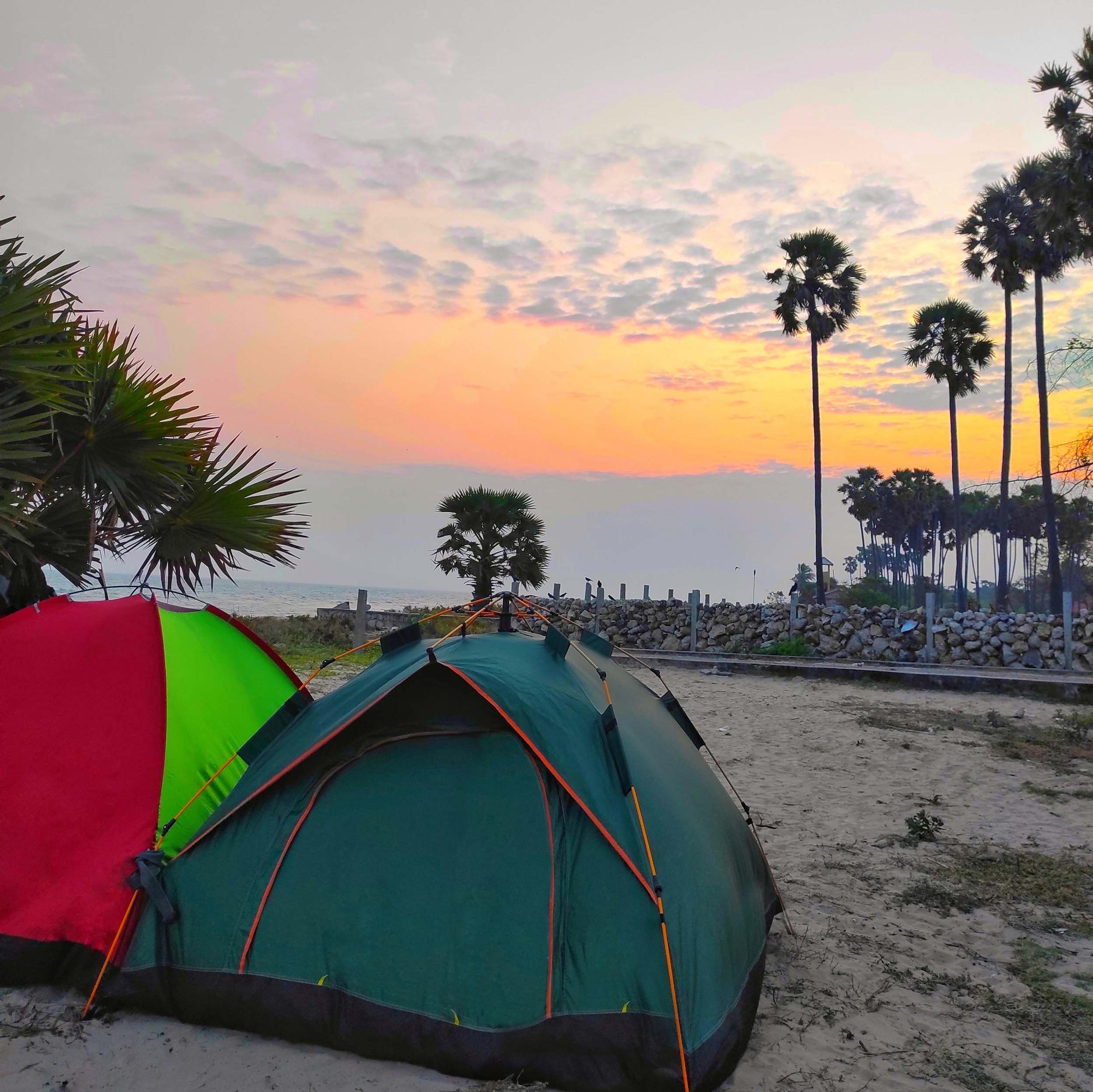
The Dutch city name "Delft" is the common Sinhalese designation of the island, although the Sinhala language otherwise avoids the articulation of three consonants and does not use the ending "lft". Of course, there is a traditional Tamil name as well, "Neduntivu", also spelt "Neduntheevu", which translates to "long island" or "large island".
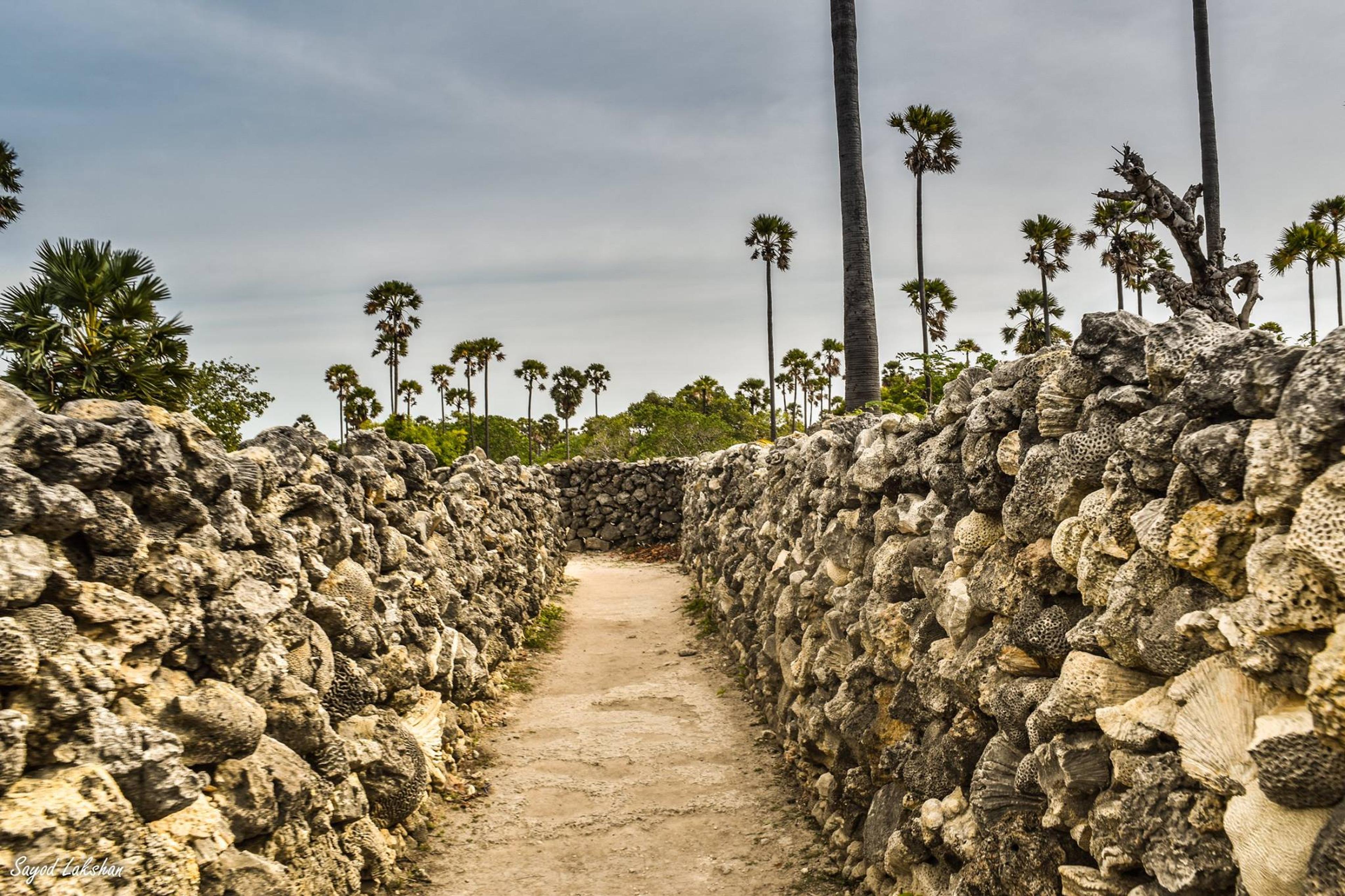
According to the Buddhist chronicles, there were a number of Buddhist temples on Delft Island during the Anuradhapura period. All islands near Jaffna are said to have been inhabited by a huge amount of Buddhist monks. Indeed, significant archaeological remnants of Buddhist sanctuaries are found on the islands as well as on the peninsula as well as on the mainland in Sri Lanka's Northern Province.
The vegetation is typical of the subcontinent's semi-arid regions. There are several Palmyrah palms, also known as Borassus palms, in addition to arid plants and grasses. On the island's sandy areas, vast stretches of aloe vera grow untamed.
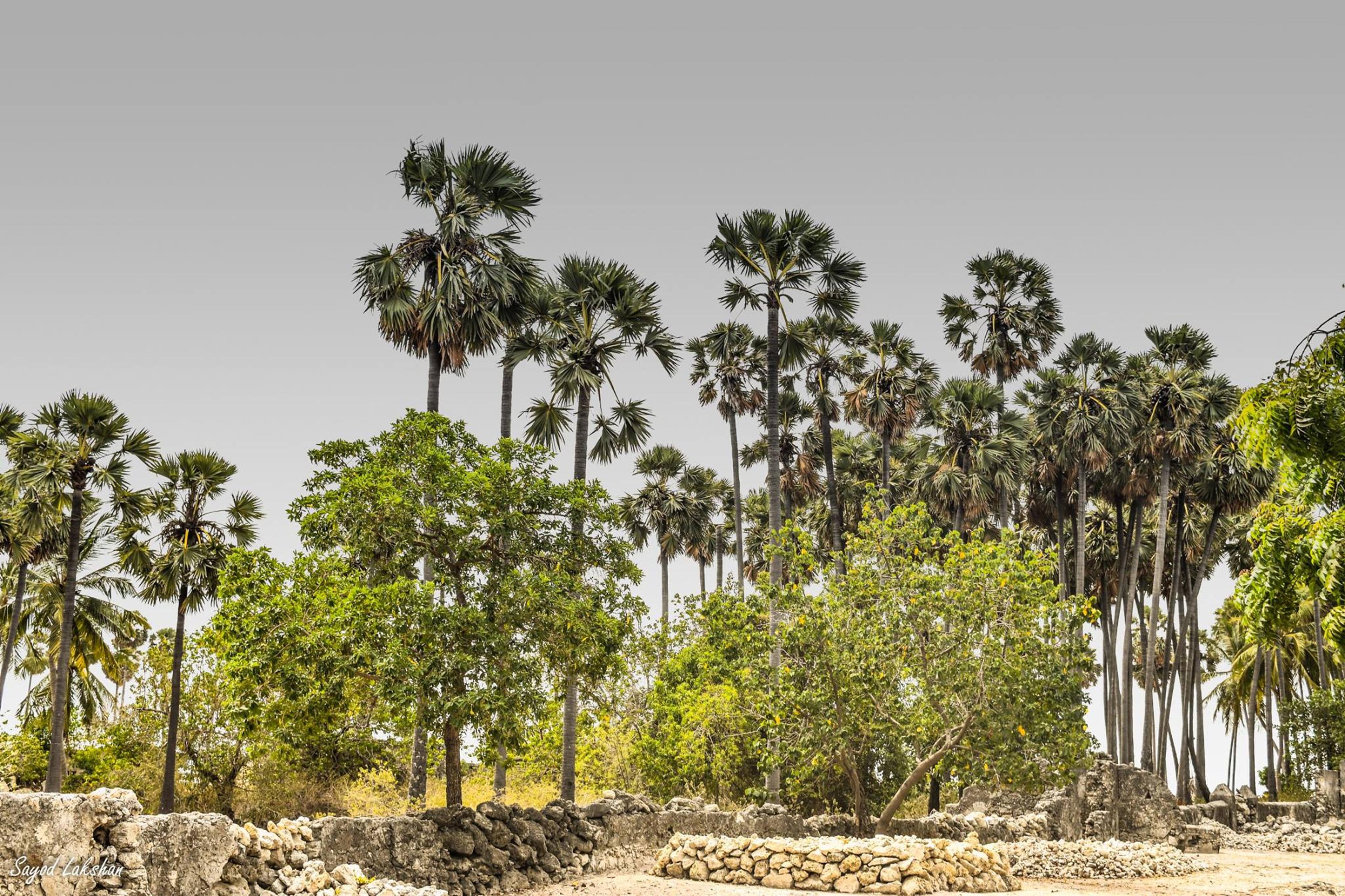
Delft Island is home to 101 different bird species, including 37 migratory ones. There are also 11 mammal species, 10 dragonfly species, 8 reptile species, 1 amphibian species, and 15 butterfly species, one of which, the Lesser Albatross (Appias galane), is endemic to Sri Lanka.
The Growing Stone
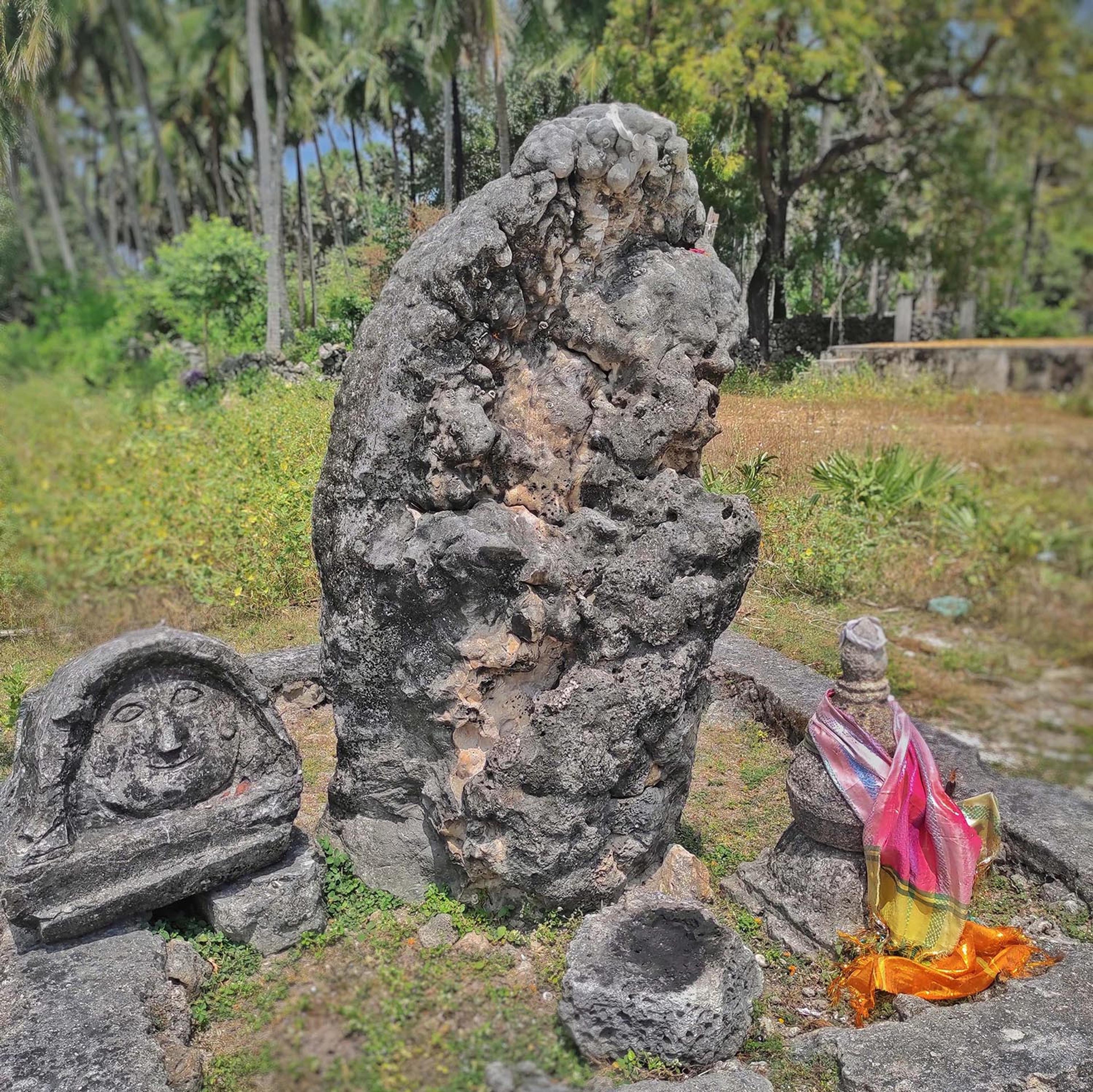
This is said to be a gradually growing stone. The locals worship this stone, and it’s considered a small shrine where lamps are lit and offerings are made.
The Pigeon Nest
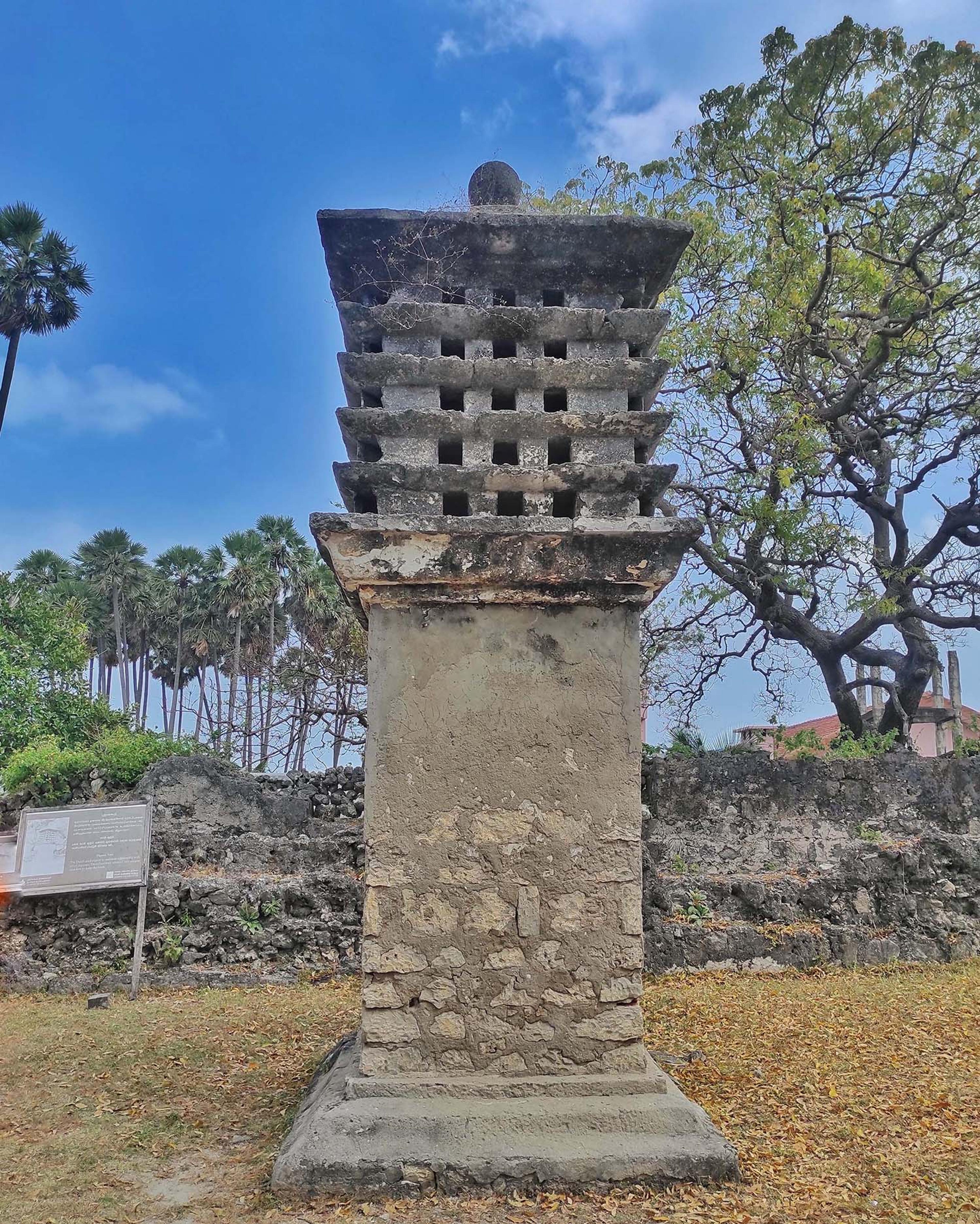
Along with other ruins, this unusual 'Pigeons Nest' may be seen on the property next to the Delft Divisional Secretariat. The Dutch people who resided in Delft and the neighbouring islands reportedly utilised homing pigeons to communicate with each other. The Dutch constructed this nest on Delft Island for these homing pigeons. Limestone that is typically present on the island is used to construct the pigeon nest.
The Baobab Tree
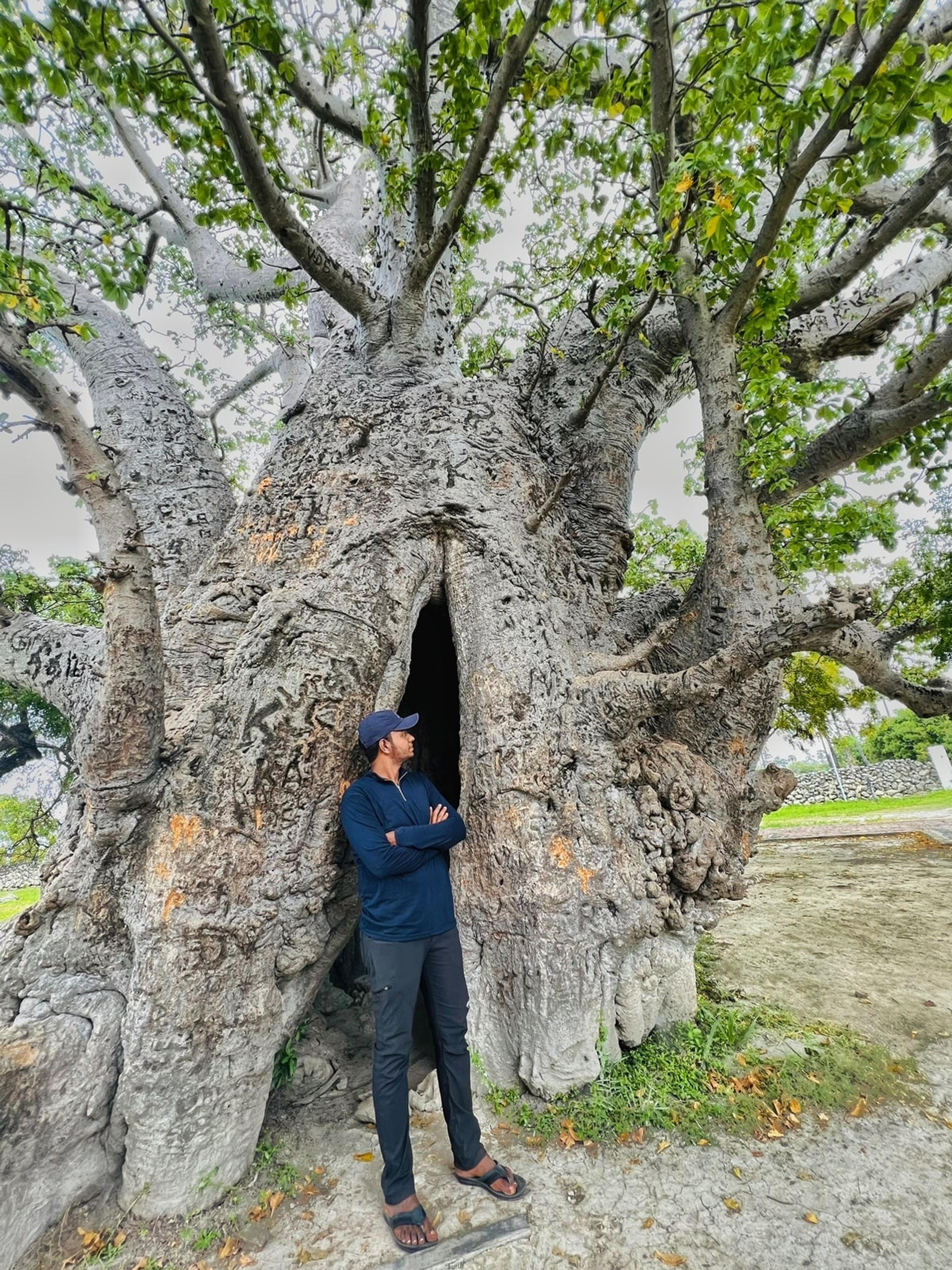
One of the three biggest Baobab trees in Sri Lanka is proudly grown in Delft. On Delft Island, a baobab tree stands by itself. In Sri Lanka, baobab trees (Adansonia digitata) are not native. They are African natives.The main reason to believe the alternative hypothesis, that already Arabs introduced the Baobab tree on Delft Island, is its sheer size. It seems not unlikely that this tree is more than 500 years old. Baobab trees are generally referred to as "Bottle trees" because of their peculiar shape or "Monkey-bread trees" because of their wholesome fruits. The name of the baobab tree is "Ali gas" or "Ali gaha" in Sinhalese and "Perukku maram" in Tamil in Sri Lanka.
The Queen's tower
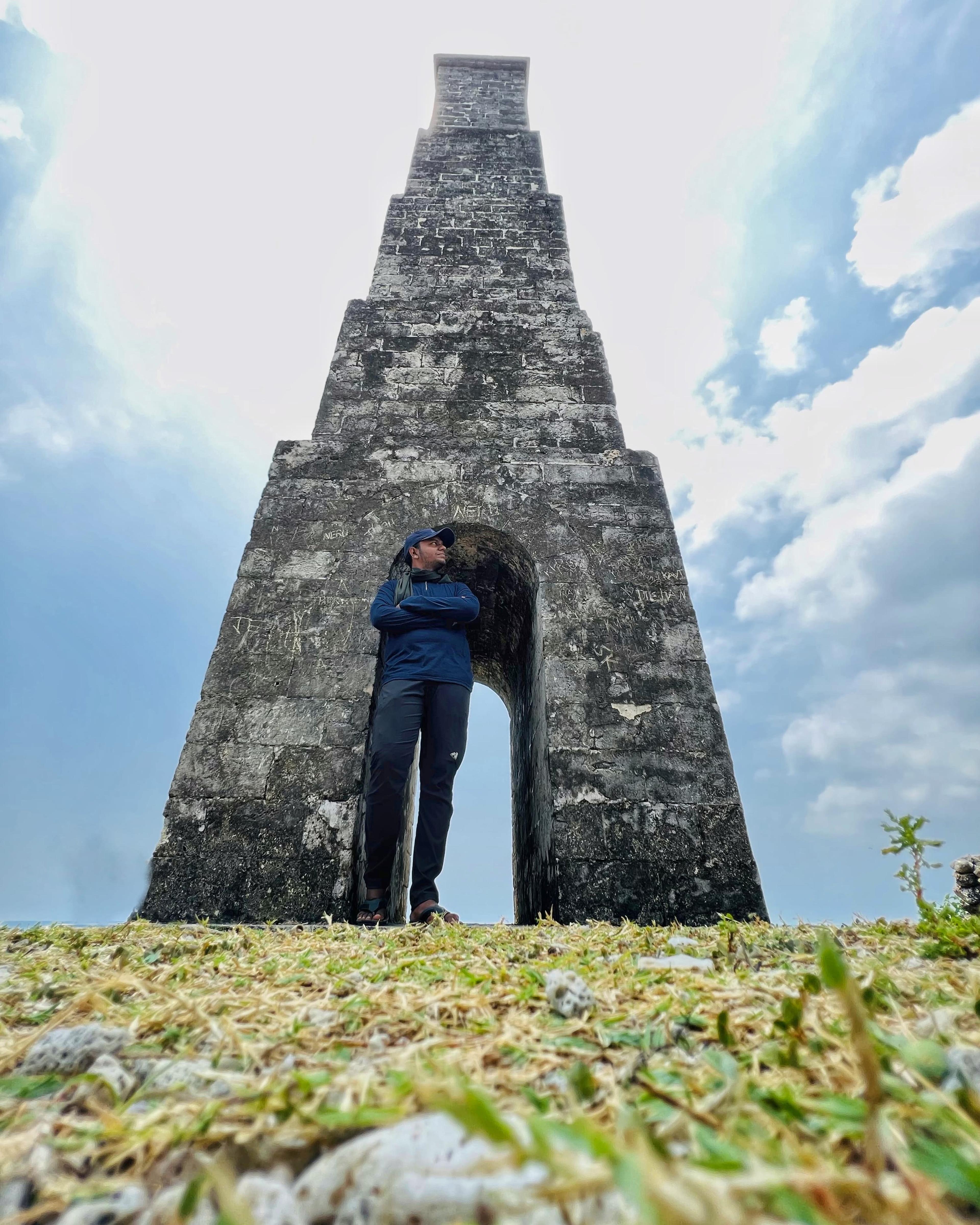
The Queens Tower is a simple version of a lighthouse and, of course, served as a navigation point, namely during the Dutch and British periods. According to legend, the tower previously had a reflecting surface that could be seen from a great distance. Additionally, there is a chimney-like shaft inside the tower, which creates a vacuum forcing air upwards. This might have served as a smoke or fire alarm. The Dutch originally constructed the Queen's Tower, also called "Quindah Tower" by locals. The British also built "King's Tower," another structure that has since been destroyed, leaving only the basement standing.
The Dutch Fort
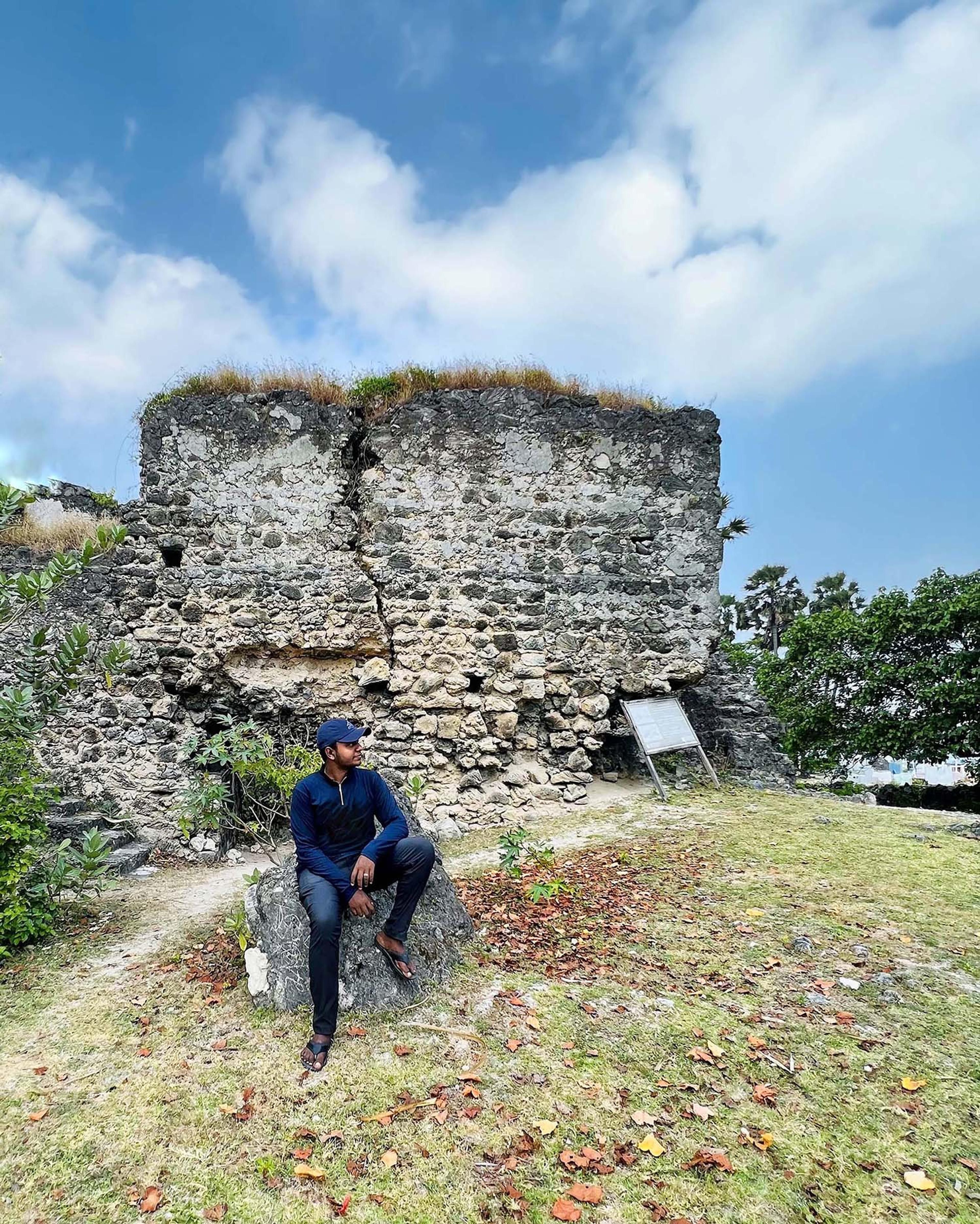
The Portuguese most likely constructed the fort.Later, the Dutch took control of it and erected a barrack close by. Limestone and coral were used to build the fort. The present structure is about 30 m long and 26.5 m wide. The walls are about 2 m thick and rise upward at least to a height of 6 m. The remaining evidence suggests that the fort may have had 2 / 3 floors.
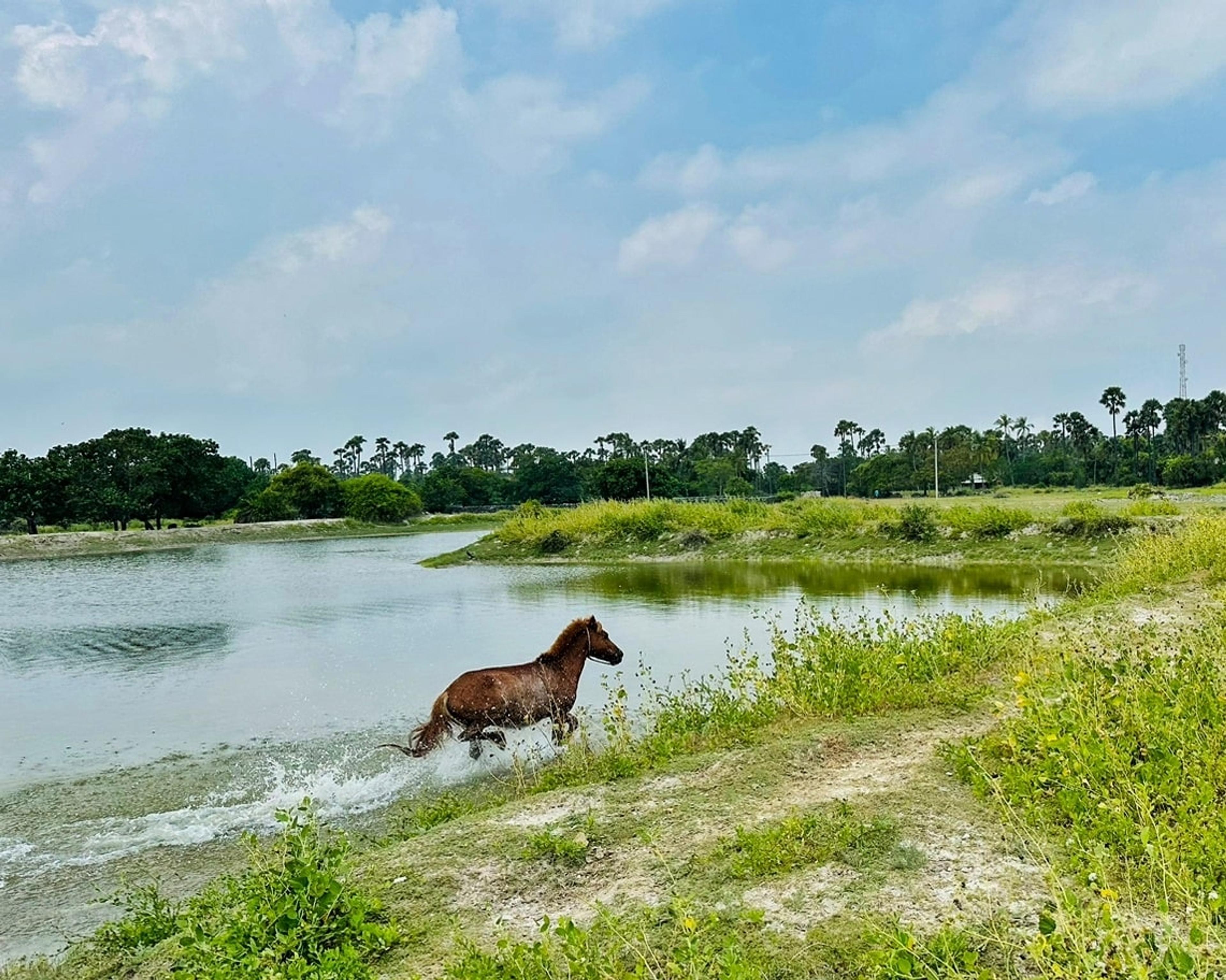
The herds of horses running freely in the marshy lands, as well as the large number of horses tamed by human for their day-to-day work, made me think that the island of Delft is a kingdom of horses. Your experience at Delft Island is sure to be a very nice and different experience.